
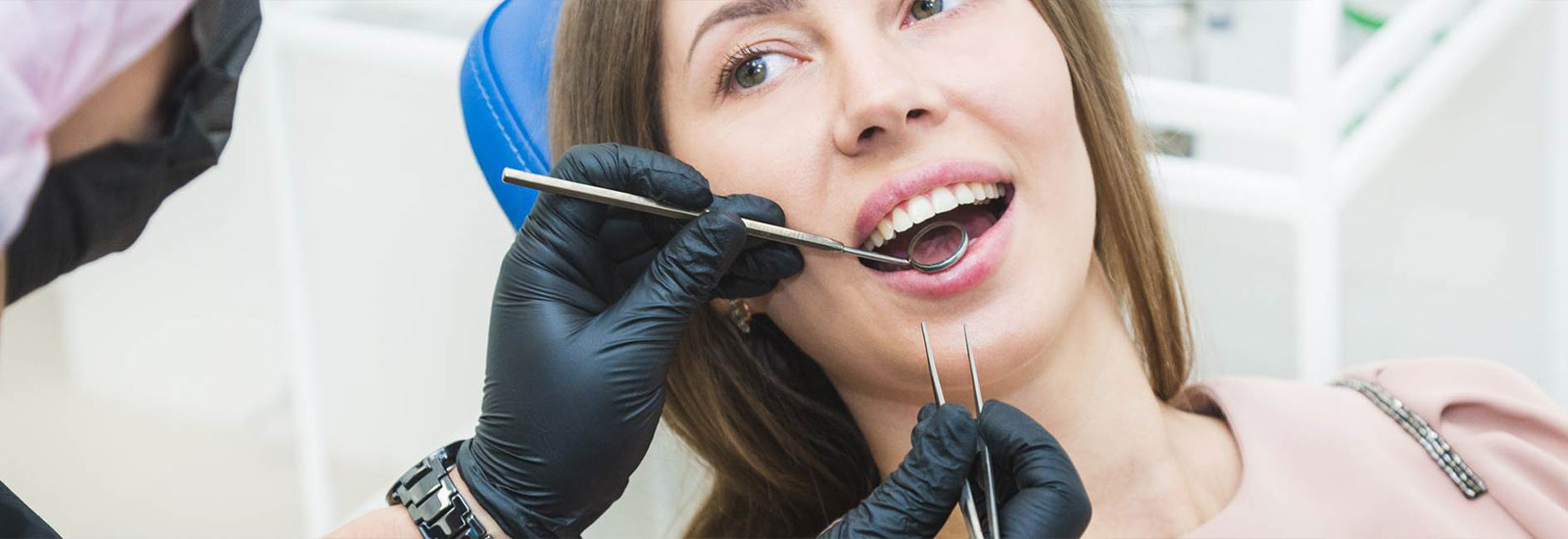
How an oral biopsy is used to detect oral cancer

Drs. Mircea Mitu and George D’Louhy of Manteca, California, are dentists at the Family Dental Center who have dedicated their practice to helping patients of all ages enjoy beautiful and healthy smiles. However, certain conditions can arise over time that might require intervention by our team. Patients who have growths or changes in the mouth’s soft tissues may want to speak to their dentist about them to have them thoroughly evaluated for oral cancer. To diagnose oral cancer, the dentist will perform a biopsy. 

What is oral cancer?

Oral cancer is a type of cancer that affects the mouth’s tissues. It can occur on the lips, tongue, gums, floor of the mouth, and roof of the mouth. Oral cancer may also occur in the salivary glands. With early diagnosis and treatment, many patients will survive oral cancer. Even after treatment, patients should have oral cancer screenings performed at each visit to ensure early detection if it returns.

What are common signs of oral cancer?

The most noticeable symptoms of oral cancer include:

  • A lump or mass in the cheek
  • A sore or lesion in the mouth that does not heal
  • Pain when chewing
  • Numbness in the tongue or lips
  • Change in voice

How is oral cancer detected?

Oral cancer can be found during screenings and evaluations. Some types of cancer are visible, while others may be harder to detect. That is why routine visits and biopsies are required.

How does an oral biopsy work in diagnosing oral cancer?

An oral biopsy is a standard procedure used to diagnose oral cancer. The biopsy is performed by extracting a small tissue sample from the suspect lesion in the mouth. The tissue is then sent to a lab for examination. If cancer is present, the lab will report the results to your dentist so that a plan of action for treatment can be discussed. Oral biopsies are a safe and relatively painless procedure critical to diagnosing cancer in the oral cavity. Most patients report only minor discomfort after the biopsy.

Frequently Asked Questions About Biopsy

What is an oral biopsy, and why might I need one?

An oral biopsy is a diagnostic procedure used to evaluate unusual areas in the mouth. If your dentist notices a lesion, discoloration, or tissue change that does not resolve on its own, a biopsy may be recommended. The purpose is to determine whether the tissue is benign or requires further attention. This step helps provide clarity and ensures that any necessary care is addressed as early as possible.

What types of oral changes should be evaluated by a dentist?

Any unusual or persistent change in the mouth should be checked. This can include sores that do not heal, lumps, thickened areas, or patches that appear white or red. Ongoing discomfort, numbness, or difficulty chewing may also be signs worth evaluating. Even small changes can be important, so it is best to have them assessed promptly to rule out more serious conditions.

How is an oral biopsy performed?

During an oral biopsy, a small sample of tissue is carefully removed from the area of concern. The procedure is typically completed using local anesthesia to keep the patient comfortable. The sample is then sent to a laboratory for detailed examination. The process itself is usually quick, and the focus is on collecting enough information to make an accurate diagnosis.

Is an oral biopsy painful?

Most patients experience little to no pain during the procedure because the area is numbed beforehand. After the biopsy, there may be mild soreness or sensitivity, but this is usually temporary and manageable. The dental team will provide instructions to help minimize discomfort and support healing. Many patients find the experience easier than expected.

How long does it take to receive biopsy results?

Results are typically available within several days to a couple of weeks, depending on the laboratory. Once the findings are received, your dentist will review them with you and explain what they mean. If further care is needed, the next steps will be clearly outlined. Waiting for results can feel stressful, but timely communication helps keep you informed throughout the process.

What happens if the biopsy results show something abnormal?

If the results indicate abnormal or concerning tissue, your dentist will discuss appropriate next steps. This may include additional testing, referral to a specialist, or developing a treatment plan. Early detection often allows for more effective management. The goal is to address any findings promptly while providing clear guidance and support throughout the process.

Are oral biopsies only used to detect cancer?

While oral biopsies are commonly associated with cancer detection, they are also used to diagnose a range of other conditions. These may include infections, inflammatory issues, or benign growths. The procedure helps identify the exact cause of a tissue change so that the most appropriate treatment can be recommended. It is an important tool for accurate diagnosis.

How should I care for my mouth after a biopsy?

After a biopsy, it is important to keep the area clean and follow any care instructions provided by your dental team. This may include avoiding certain foods, rinsing gently, and allowing the area time to heal. Most sites heal without complications when proper care is taken. If any unusual symptoms occur, contacting your dentist ensures timely guidance.

Why are regular oral cancer screenings important?

Routine screenings help identify changes in the mouth before they become more serious. Many early signs of oral cancer are not painful, which makes them easy to overlook. Regular dental visits allow for professional evaluation and early detection. This proactive approach increases the likelihood of successful outcomes and supports overall oral health.

How can I schedule an evaluation for a concerning oral change?

If you notice any unusual symptoms, scheduling an evaluation is an important first step. At Family Dental Center in Manteca, CA, Dr. Mircea Mitu experienced in biopsy procedures and the team provide thorough examinations and guidance. Calling (209) 420-1205 allows you to arrange a visit and discuss any concerns. Early evaluation helps ensure that any necessary care is provided promptly and effectively.

Dr. Mircea Mitu

Mircea Mitu DDS, FICOI, AFAAID

Dr. Mircea Mitu has almost three decades of dental experience, including nine years of associateship and managing clinical practices in the East Bay Area and several years of practice and academic positions in prosthodontics. Before setting up his practice, he completed hundreds of hours in postgraduate dentistry. He has attended prestigious organizations like the UCLA Center for Aesthetic Program and Misch International Implant Institute.

Dr. Mitu is a member of the American Dental Association, California Dental Association, and San Joaquin County Dental Association and is a Fellow of the International Congress of Oral Implantologists and Asociate Fellow of American Academy of Implant Dentistry.
Dr. George D’Louhy DDS, MS

George D’Louhy DDS, MS

Dr. George D’Louhy is a respected orthodontist who has been practicing for 30 years. Dr. D’Louhy earned his Doctor of Dental Surgery (DDS) degree from St. Louis University and completed further advanced training to receive his Speciality in Orthodontics MS degree from St. Louis University School of Orthodontics.

As a specialist in Orthodontics, Dr. D’Louhy applies his three decades of experience and his expertise using Full Banded Orthodontics and other treatments to help patients achieve stunning smiles. Dr. D’Louhy is trusted for his technical skills and ability to work with patients and their parents to create beautiful, healthy smiles.