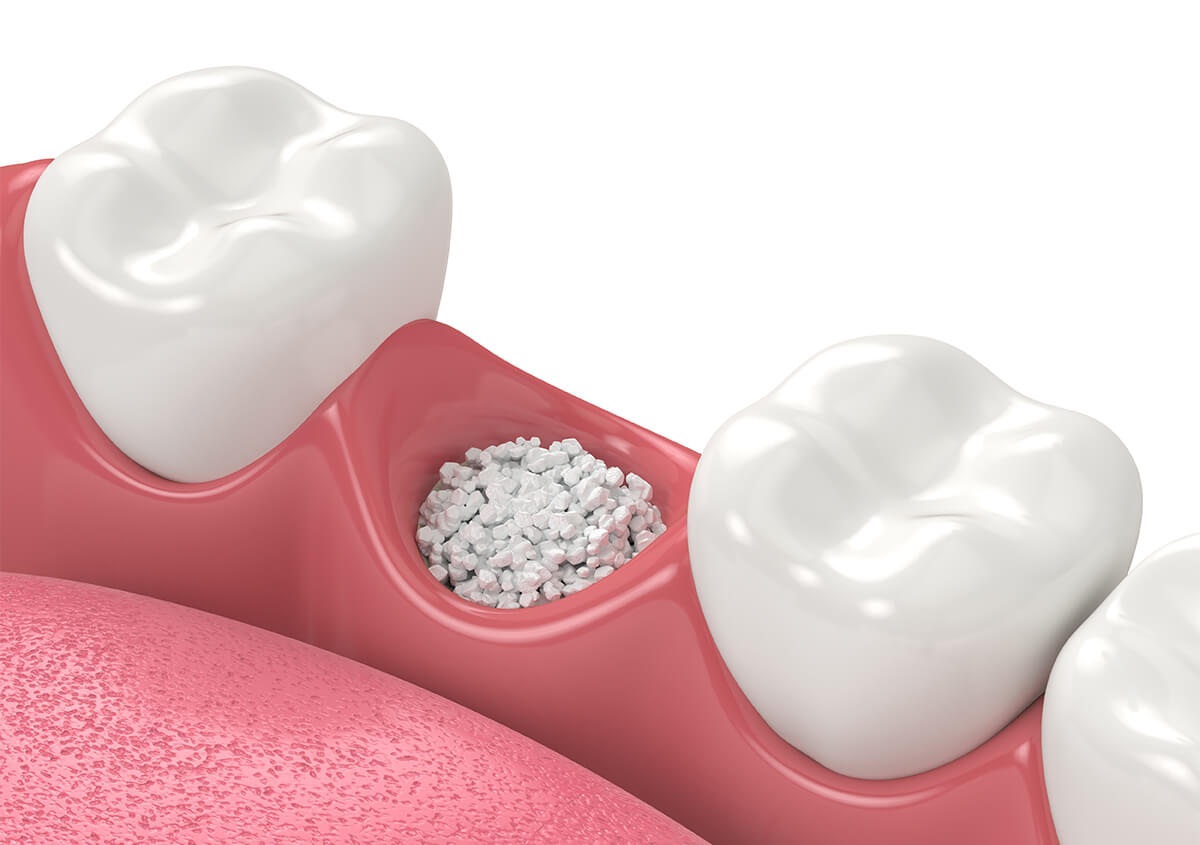

What is bone grafting, and why might it be performed?Â
Dental implants are a great way for patients to replace one, several, or all their teeth. These titanium posts act as a tooth root replacement and hold a restoration over the top to repair the smile’s appearance, function, and health. But sometimes, patients considering implants may have experienced bone loss and need to be prepared for bone grafting treatments. Manteca, California patients are welcome to ask the team at Family Dental Center about bone grafting and augmentation treatments.
What is involved in dental bone graft surgery?
Bone grafting is a surgical procedure used to replace missing bone in the jaw. This surgery can be performed for many reasons, including correcting an underbite or filling in spaces where teeth have been lost. The grafted bone may come from the patient’s own body, or it may be donated by a donor. In some cases, synthetic bone may be used. Many patients may consider bone augmentation if they are interested in implant dentistry but do not have sufficient bone to be regarded as an appropriate candidate.
The surgery is typically performed under anesthesia and takes between 45 to 90 minutes to complete. A small incision is made in the gum tissue, and the bone graft is positioned in the desired location. Sutures are then used to close the incision.
Patients typically experience moderate swelling and discomfort following surgery. Medication will be prescribed to help relieve these symptoms. Recovery time varies depending on the extent of the surgery but generally lasts between four and six weeks.
Bone grafting is a safe and effective procedure that can provide long-term results. It is essential to follow the post-operative instructions closely to ensure a smooth recovery.
Frequently Asked Questions About Bone Grafting.
Why do I need bone grafting?
We recommend bone grafting when your jawbone lacks the volume or density needed to support a dental implant. Several factors can cause jawbone degradation, including prolonged tooth loss, gum disease, and trauma. A bone graft rebuilds the foundation of your jaw, making it strong and healthy enough to support optimal oral health and future restorations
Why is a healthy jawbone required for a dental implant?
Eligibility for dental implants is one of the most common reasons people need bone grafting. Dental implants depend on a process known as osseointegration, in which the implant merges with your bone. Without enough healthy bone, the implant cannot stabilize properly. A strong jawbone provides a stable foundation, ensuring durable, long-lasting results.Â
Does the procedure hurt?
Not at the Family Dental Center of Manteca. We use local anesthetics to keep the area numb throughout treatment. You may experience pressure but not pain. Bone grafting involves making a small incision in your gums. It’s therefore natural to experience some post-operative soreness, bruising, and swelling. We’ll provide home remedies and appropriate medications to manage the symptoms.
How long does it take to heal?
You should resume light activities within 2-3 days. However, complete healing takes 4-6 months, where the body builds new bone cells around the graft material to create a solid foundation. During the healing phase, we’ll schedule check-in appointments to monitor progress.
Which is the best bone graft?
There is no one-size-fits-all answer. Your bone graft can come from several sources, including your own body, human donor, animals (bovine), and synthetic materials. The best choice depends on your specific needs, health, and treatment goals. We’ll discuss the pros and cons of each type and recommend the most suitable option for you.
Can a dental implant be placed immediately after bone grafting?
In some cases, yes. When there is sufficient existing bone to support the implant, both procedures can be performed simultaneously. However, many patients need to heal first before implant placement to ensure the best outcome. After a successful bone graft, you’ll have a strong jawbone to support stable dental implants.
What are the potential risks of bone grafting?
Bone grafting is a safe procedure, but like any surgery, it carries some risks. You’ll likely experience swelling, which is your body’s natural reaction to a bone graft. It forms about 2-3 days after surgery, but it’s manageable with ice packs and medications. Other side effects include excessive bleeding, infection, nerve damage, and graft failure. Choosing an experienced doctor and following post-op instructions helps minimize these risks.
How much is bone grafting in Manteca, California?
Cost is a significant factor when deciding to rebuild your smile with bone grafting. However, it’s almost impossible to share the cost of your treatment before a consultation. That’s because several factors affect the overall cost, including the type of graft, the number of teeth involved, and the complexity of treatment. We’ll share a cost breakdown after an in-depth consultation. Rest assured, we won’t proceed until you are clear on costs.
Does insurance cover bone grafting?
Coverage varies by plan. It’s best to review your benefits with your provider or dental office for better planning. Don’t have insurance? Don’t worry! Discover affordable dental care with CareCredit or Cherry. In some situations, the procedure may be covered by your medical insurance. This financing option allows you to break the treatment cost into affordable installments.
Where can I get bone grafting services in Manteca, CA?
At Family Dental Center of Manteca, our dentist uses appropriate surgical techniques to deliver high-quality bone grafting services. Call (209) 420-1205 and schedule an appointment with our team today!