

What is root canal therapy, and when might I need it?

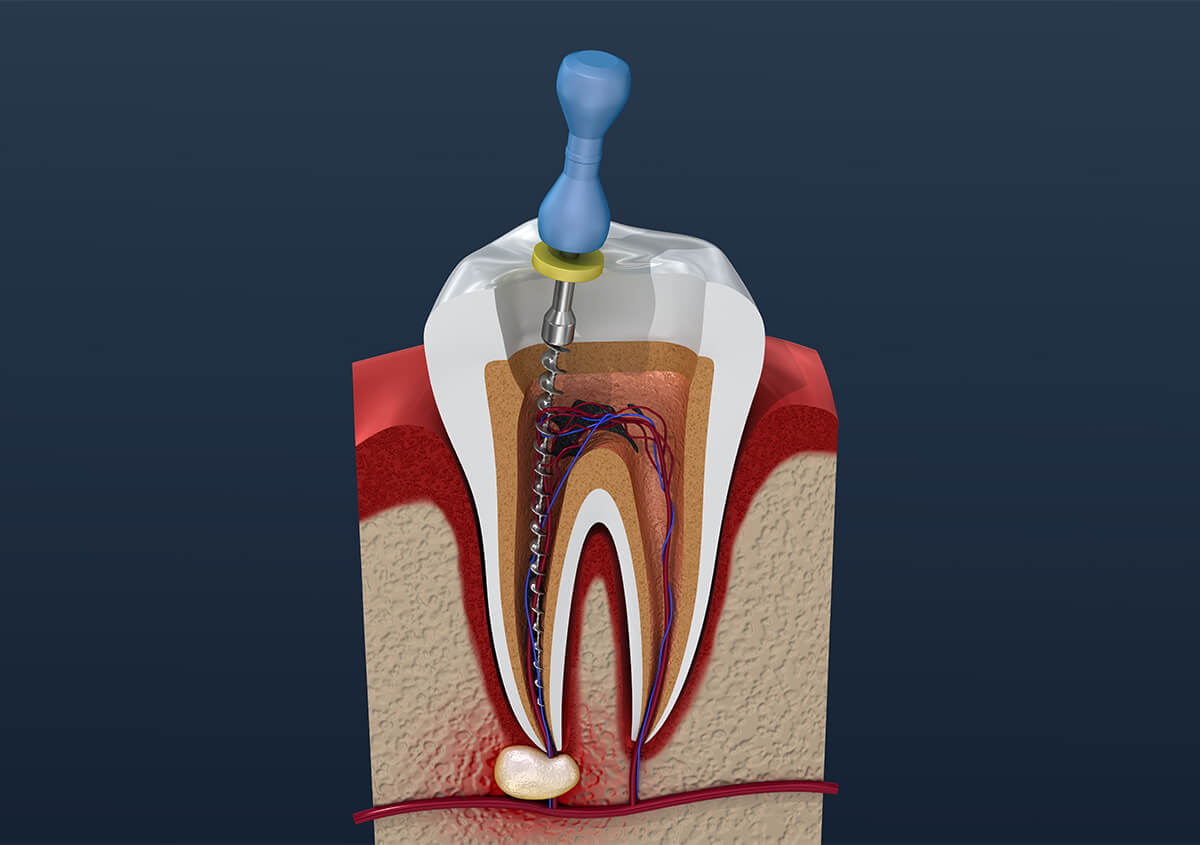
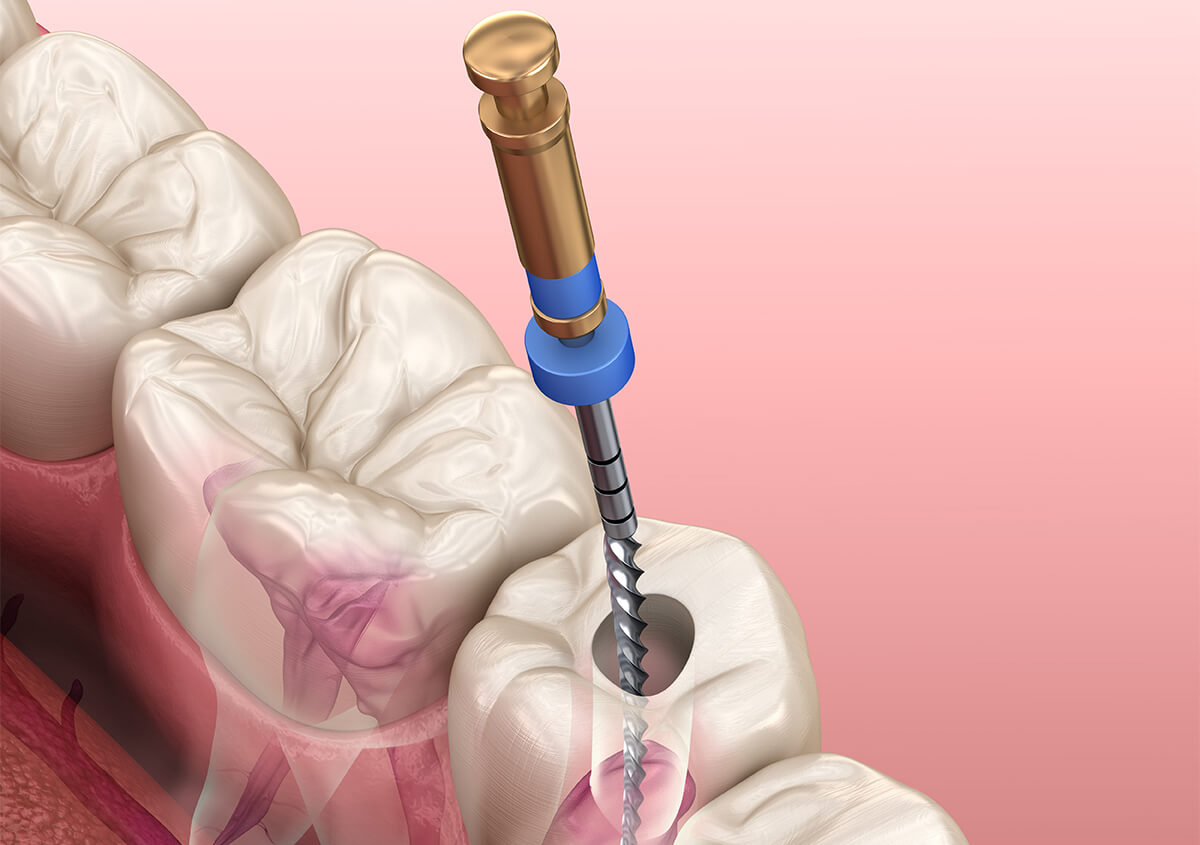
Root canal therapy is a dental procedure that can help to save the natural tooth from an infected pulp. Root canal treatments are performed by dentists and usually require two visits. The first visit includes a diagnostic exam, x-rays, and necessary root canal preparation work. If the dentist finds signs of infection in your tooth’s pulp tissue, they will recommend this treatment. It involves removing all the infected tissue from inside the tooth and replacing it with filling material. Drs. Mircea Mitu and George D’Louhy of Manteca, California, can help educate patients on when they need root canal therapy. 

Do I need root canal therapy? 

The need for root canal therapy will depend on several factors:

  • The extent of damage to the pulp and how deep this has spread into the tooth. That means that you may be able to delay a root canal treatment if there is not enough infection present in your tooth’s pulp tissue. However, it’s essential that your dentist check again before putting off a root canal too long as re-infection is always possible. Symptoms of inflammation such as swelling or pain should be monitored over time to make sure they do not increase rather than decrease, which would indicate a more severe problem with your tooth.
  • Where the infected tissue is located in your tooth, if your pulp is damaged or inflamed, your dentist will need to remove the infection from this area before root canal treatment can begin. They will use various techniques, such as a dental drill using a slow-speed handpiece with irrigation tools.
  • The patient’s age and overall health condition will play an essential part in deciding if you need root canal therapy. An immature tooth (less than eight years old) is less likely to require a root canal treatment because the root and surrounding tissues haven’t fully developed yet, while an older tooth will require root canal therapy to avoid extraction.

Sometimes a tooth can be saved from extraction using root canal therapy. Your dentist will advise you on the best course of action when a severely decayed tooth is discovered. 

Frequently Asked Questions About Root Canal

What warning signs suggest a tooth may have internal damage?

Internal tooth damage often develops beneath the surface and may not be obvious at first. Warning signs can include discomfort that worsens when chewing, sensitivity that doesn’t fade quickly, gum tenderness near a specific tooth, or changes in tooth colour. Some patients in Manteca notice symptoms come and go rather than staying constant. A dental evaluation is the only reliable way to confirm whether internal treatment is needed.

What actually happens inside the tooth during root canal treatment?

Root canal care focuses on cleaning the inner chamber of the tooth where infection can develop. After numbing the area, damaged tissue is removed, and the inside of the tooth is carefully disinfected. The space is then sealed to block bacteria from re-entering. This process allows the outer structure of the tooth to remain intact and functional.

Does root canal treatment relieve pain or cause it?

Despite common misconceptions, root canal treatment is designed to stop pain, not create it. The procedure removes the source of infection that causes discomfort. Most patients describe the experience as similar to standard restorative care. Mild soreness afterward is possible but typically short-lived.

How long should I expect to be at the dental office for a root canal?

Appointment length varies based on the tooth’s location and complexity. Many treatments are completed within a single visit, while others require a follow-up appointment. Molars may take longer due to multiple canals. Dr. Mitu explains the expected timeframe in advance so patients can plan accordingly.

What are the chances of a root canal not resolving the issue?

Root canal treatment has a high success rate when performed and restored properly. In rare situations, lingering bacteria or complex root anatomy may require additional care. Regular dental checkups help ensure the tooth remains stable. Prompt attention to post-treatment symptoms supports long-term success.

What steps help protect a treated tooth after the procedure?

Protecting the tooth during the healing phase is important. Patients are usually advised to avoid chewing hard food on the treated side until final restoration is completed. Daily brushing and flossing remain essential. If a crown is recommended, placing it helps prevent cracks or reinfection.

Can a tooth that’s had a root canal still feel normal?

Yes. Once fully restored, the tooth should function comfortably during chewing and speaking. Sensation may feel slightly different initially, but most patients adapt quickly. Many report improved comfort compared to before treatment. Long-term function depends on proper restoration and hygiene.

Why is delaying treatment risky for infected teeth?

Infection inside a tooth does not heal on its own. Without treatment, bacteria can spread into the surrounding bone and soft tissue. This may lead to swelling, increased pain, or tooth loss. Early care helps patients to avoid more complex procedures.

Are root canals only needed when pain is severe?

Not necessarily. Some infected teeth produce little discomfort, especially early on. Routine dental exams often detect problems before symptoms escalate. Addressing issues early can simplify treatment. Regular visits are key to prevention.

What options exist if I decide against root canal treatment?

If a root canal is declined, extraction may be the alternative. Removing the tooth can affect chewing and alignment and often requires replacement. Saving the natural tooth is usually preferred when possible. Dr. Mitu helps patients understand the implications of each option.

Learn more about root canal therapy 

If you believe you need endodontic treatment, contact the team at Family Dental Center of Manteca, CA today at (209) 420-1205.
Dr. Mircea Mitu

Mircea Mitu DDS, FICOI, AFAAID

Dr. Mircea Mitu has almost three decades of dental experience, including nine years of associateship and managing clinical practices in the East Bay Area and several years of practice and academic positions in prosthodontics. Before setting up his practice, he completed hundreds of hours in postgraduate dentistry. He has attended prestigious organizations like the UCLA Center for Aesthetic Program and Misch International Implant Institute.

Dr. Mitu is a member of the American Dental Association, California Dental Association, and San Joaquin County Dental Association and is a Fellow of the International Congress of Oral Implantologists and Asociate Fellow of American Academy of Implant Dentistry.
Dr. George D’Louhy DDS, MS

George D’Louhy DDS, MS

Dr. George D’Louhy is a respected orthodontist who has been practicing for 30 years. Dr. D’Louhy earned his Doctor of Dental Surgery (DDS) degree from St. Louis University and completed further advanced training to receive his Speciality in Orthodontics MS degree from St. Louis University School of Orthodontics.

As a specialist in Orthodontics, Dr. D’Louhy applies his three decades of experience and his expertise using Full Banded Orthodontics and other treatments to help patients achieve stunning smiles. Dr. D’Louhy is trusted for his technical skills and ability to work with patients and their parents to create beautiful, healthy smiles.